Company

  • MSR Electronics GmbH

Data Loggers for Shock, Impact, Vibration and Acceleration

Transport monitoring and shock measurement · drop tests · vibration measurement on production equipment · determination of g-forces · activity monitoring in animals

Acceleration measurement has been our core expertise for decades. MSR data loggers are designed for precise shock, vibration and acceleration measurement in transport, industrial and research applications. Whether for transport monitoring, shock detection or vibration analysis, our devices deliver reliable, high-resolution data.

Our shock and vibration data loggers can be individually configured and flexibly adapted to your requirements. Depending on the model, they are available with internal or external 3-axis acceleration sensors covering measurement ranges from
±10 g to ±200 g. Most models offer configurable battery capacity, memory size and measurement ranges, and can be expanded with additional sensors – including temperature, humidity, air pressure, light and analog inputs.

All MSR data loggers are custom-manufactured in Switzerland and supplied with intuitive software for fast and precise data analysis.

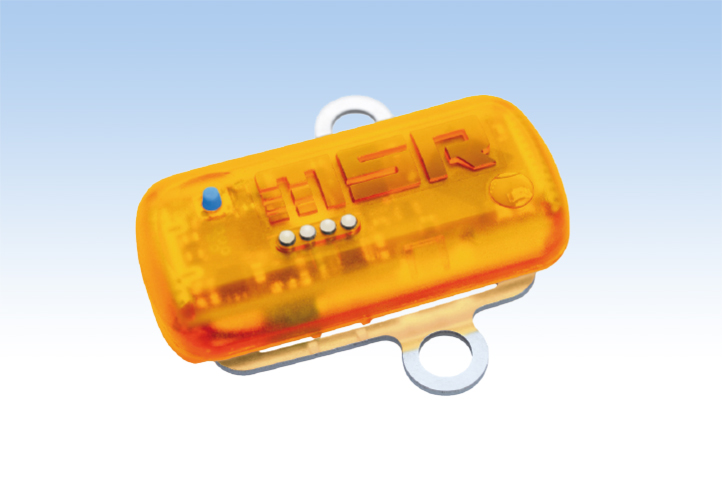
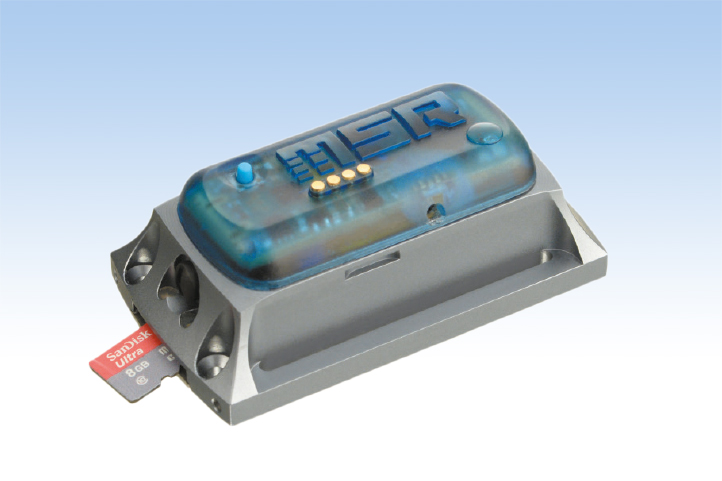
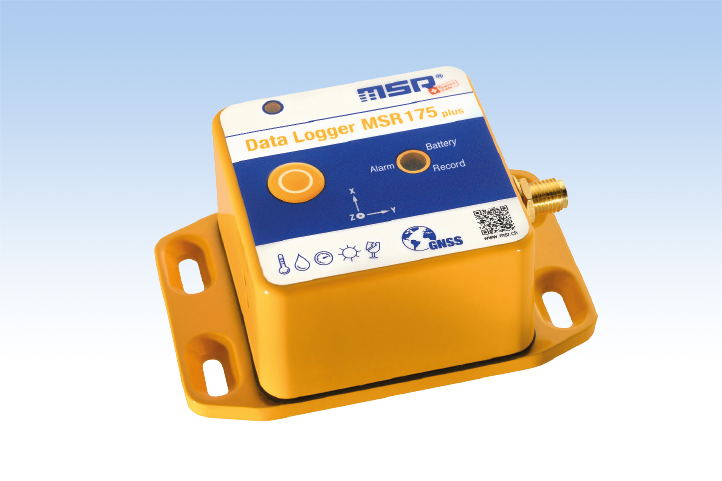
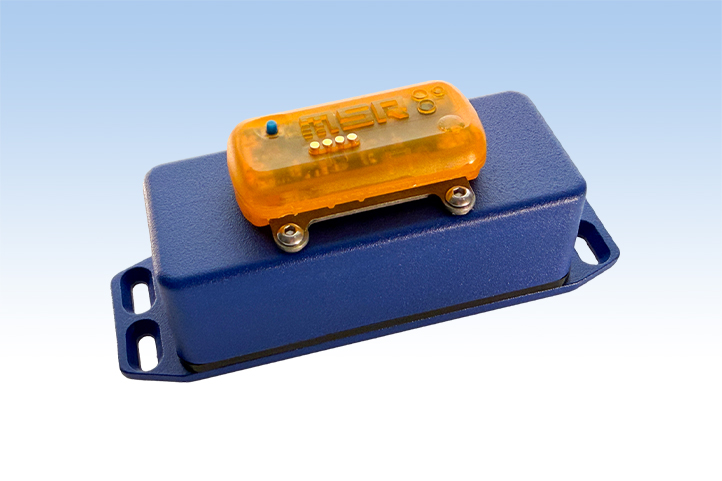
Overview of MSR shock and vibration data loggers:

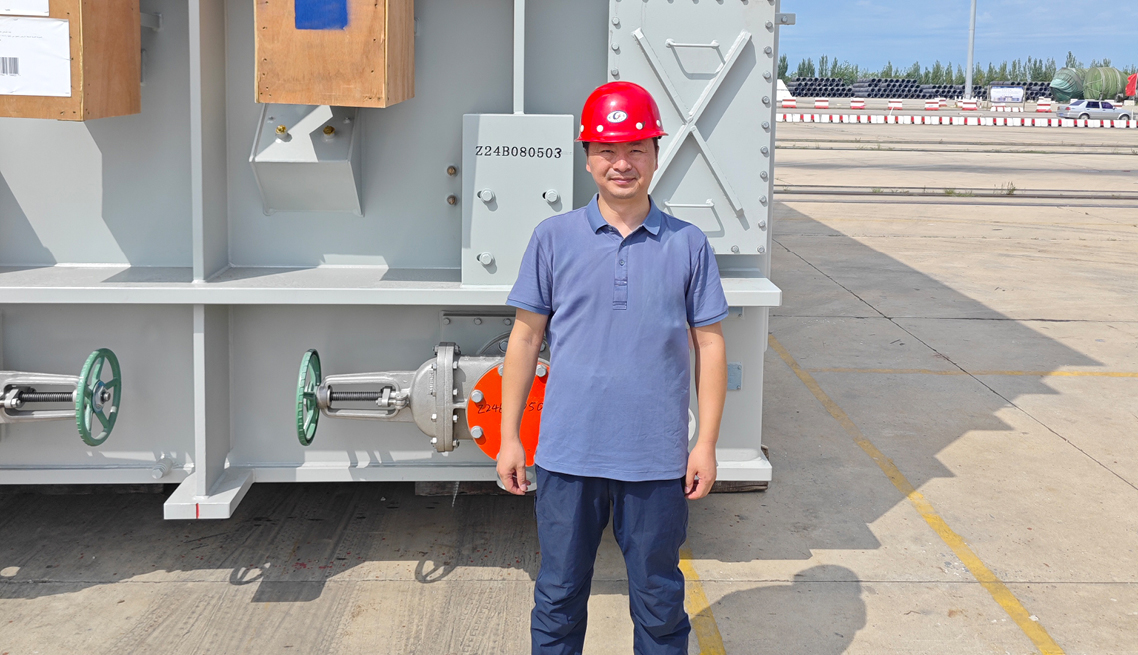
Erwin Egli
Sales Manager, MSR Electronics GmbH

How to select the right shock or vibration data logger

Acceleration measurement is a complex field. Both data acquisition and data interpretation require careful consideration of multiple factors – including sensor range, sampling rate, mounting conditions and the specific application.

As specialists in acceleration, shock and vibration data logging with many years of experience, we understand what truly matters when selecting the right data logger.

Get in touch with us– we will be happy to advise you and help you find the optimal solution for your application.

Shock and vibration measurement in transport monitoring

Shock and vibration are among the most critical mechanical influences in the transport process and have a direct impact on the safety and quality of sensitive goods. For professionals in logistics, quality assurance and process management, it is therefore essential to accurately capture and correctly interpret the relevant measurement data.

But which parameters are most important when assessing shock and vibration?

Quick navigation to topics

► At what mechanical load or acceleration level will my product be damaged?
► When should vibration be monitored?
► When should mechanical shock events be monitored?
► Which standards apply to shock and vibration monitoring during transport?

YouTube

By loading the video, you agree to YouTube's privacy policy.
Learn more

Load video

YouTube

By loading the video, you agree to YouTube's privacy policy.
Learn more

Load video

Key questions for transport monitoring

At what mechanical load or acceleration level will my product be damaged?

This question cannot be answered in general terms and requires a differentiated analysis. The shock and vibration loads at which a product is damaged depend on a variety of factors:

  • Sensitivity of the product based on material properties, structural design and the way components are connected
  • Mass (weight) and dimensions of the product
  • Exposure to extreme temperature variations or very low temperatures
  • Magnitude of acceleration in the x, y and z axes, as well as the direction and resulting acceleration vector
  • Duration and intensity of shock events or vibration at critical natural frequencies
  • Choice of transport mode and the effectiveness of load securing and shock/vibration damping systems
  • Selection of handling and loading equipment (e.g. cranes, forklifts, lifting devices)

To ensure that relevant measurement data is accurately captured and recorded, it is essential to select a data logger with appropriate sampling rate, memory capacity, measurement range and sensor resolution (g-force).

Equally important is powerful analysis software capable of processing large volumes of data and quickly identifying relevant shock events or continuous vibration profiles, both in the time domain and frequency domain.

When should vibration be monitored?

Vibrations are periodic mechanical oscillations of elastic or partially elastic bodies, or of elastically connected components within assemblies. Over time, and depending on the frequency range, such oscillations can lead to material fatigue and ultimately to crack formation.

Materials particularly at risk include brittle and amorphous materials (e.g. cast irons with high graphite content or glass). The use and interaction of different materials within assemblies can also create critical stress points, especially at joints and interfaces.

If damage caused by periodic mechanical oscillations cannot be ruled out, vibration monitoring is recommended. In such cases, a sampling rate of ≥ 400 Hz should be selected to ensure accurate detection and analysis.

Recommendation

If damage caused by periodic mechanical oscillations cannot be ruled out, vibration monitoring with a sampling rate of ≥ 400 Hz is recommended.

When should mechanical shock events be monitored?

A mechanical shock occurs when bodies exert reactive forces on each other. As a result, their state of motion changes – including velocity, direction and, in some cases, shape or structural integrity.

A risk of damage arises particularly in the case of inelastic shocks, where the yield strength of the materials is exceeded. This can lead to permanent deformation or structural failure.

Using data loggers, these events are captured by measuring the resulting acceleration responses.

Recommendation

If the risk of damage due to periodic mechanical oscillations cannot be excluded, vibration monitoring at a sampling rate of ≥ 400 Hz is recommended.

Get expert advice to find the right data logger for your application.

Get in touch – we’ll help you find the right data logger for your specific application.

For personal advice, our network of over 90 MSR distribution partners is available in more than 50 countries worldwide.

Real-world application example

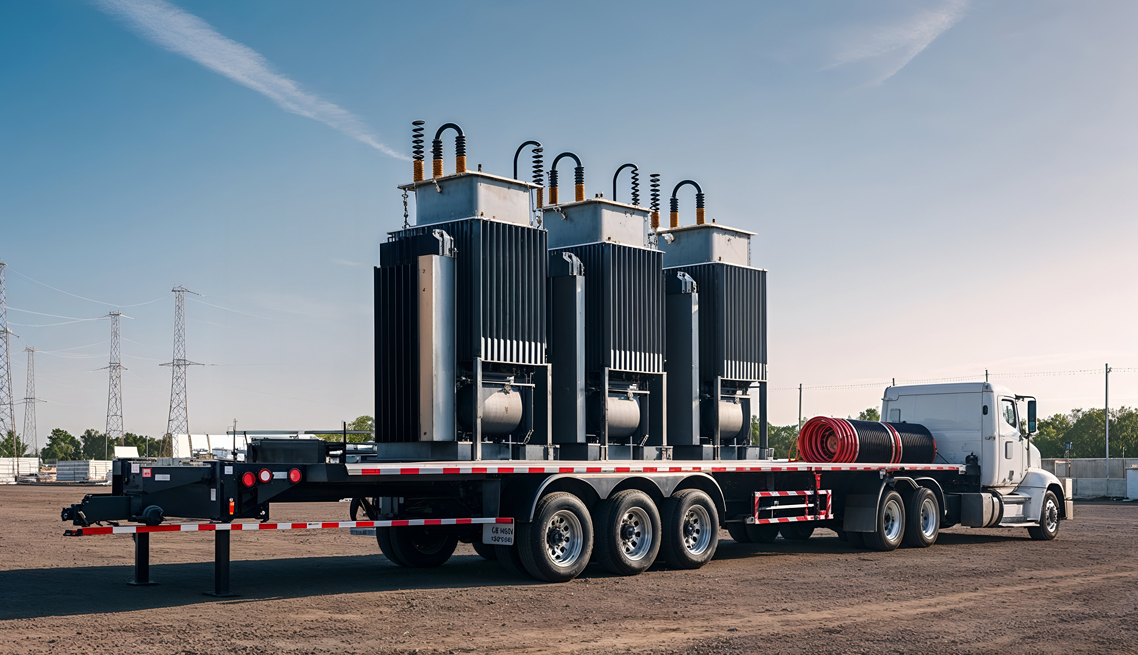
Case study: shock monitoring during transformer transport

Transformers efficiently convert alternating voltages to different voltage levels through magnetic induction and are essential for power transmission. They are used worldwide in electricity generation and distribution, particularly in regions with expanding or modernising grid infrastructure. Leading manufacturing countries include China, Germany, the United States, India, Japan and South Korea, while major markets include the United States, India, Saudi Arabia and European countries.

Growing demand is primarily driven by the expansion of renewable energy and the electrification of new regions. The transport of large power transformers is technically complex and often carried out in individual components via heavy-duty trucks, rail or sea freight, followed by final assembly at the installation site.

Mechanical shock loads represent a significant risk during transformer transport. For this reason, strict requirements and regulations apply during both transport and installation.

High risk of transport damage

Large power transformers are often transported in individual components due to structural, logistical and regulatory constraints, and are only fully assembled at the final destination.

During transport, the equipment is exposed to a wide range of mechanical loads, including shocks, vibrations, tilts and temperature variations. These can cause potentially safety-critical damage that is not externally visible.

Particularly sensitive are precisely aligned components such as windings, the magnetic core and the electrical insulation system (e.g. pressboard, paper or oil). Even minor displacements or microcracks within the winding structure can promote partial discharges, local overheating (hot spots) or voltage peaks – potentially leading to serious consequences for operational reliability.

Potential damage Consequence
Displaced windings Short circuit during commissioning
Cracks in insulation material Partial discharge, premature failure
Loose connection bolts Overheating, arcing
Microcracks in the core  Increased noise, reduced efficiency

Example: transformer transport from Germany to Croatia

Object: Transformer: 400 kV, 300 MVA, approx. 300 t total weight

Transport: Shipment in 6 separate consignments

Transport chain:

Stage Transport mode Challenge Days Risks
Factory dispatch Low-loader trailer, approx. 10–20 km/h Transfer from factory handling to low-loader using gantry crane or hydraulic jacking systems 1 Tilting or dropping of the load during lifting operations
Long-distance transport Inland waterway vessel (barge) Push barge with low-loader on board 7–10 Accident (e.g. grounding or collision), limited manoeuvrability (push barges are non-self-propelled)
Unloading & interim storage – heavy-lift crane or mobile lifting equipment Handling and transfer of heavy components 1–2 Tilting or dropping of the load during lifting operations
Regional transport Low-loader trailer, approx. 10–20 km/h Transport through constrained routes / infrastructure limitations 1 Collisions in narrow passages, insufficient load-bearing capacity of roads or bridges
Final destination Crane Inspection, assembly and commissioning Tilting or dropping of the load during lifting operations

Why is it not sufficient to record only the highest shock events?

Not all damage is caused by the highest shock levels. Recording only the peak shock events does not provide a complete picture of the actual mechanical loads during transport. Damage is not exclusively the result of single high-acceleration events, but often occurs due to the cumulative effect of repeated, moderate shocks – particularly in sensitive or structurally critical components.

Continuous recording of all relevant shock events enables a detailed analysis of the load profile and reliable identification of critical influences. Focusing solely on peak values carries the risk of misinterpretation, as it reflects only a limited part of the overall transport conditions. A comprehensive, event-based data acquisition is therefore essential for a reliable assessment of transport quality.

MSR transport data loggers enable objective and traceable documentation of mechanical and climatic transport loads. Depending on the model and configuration, MSR transport data loggers can record between 700 and 5 million shock events. They provide verifiable evidence of compliance with transport-relevant limits and contribute significantly to identifying potential causes of damag

Recommendation

Only precise shock data enables a reliable assessment of mechanical transport loads.

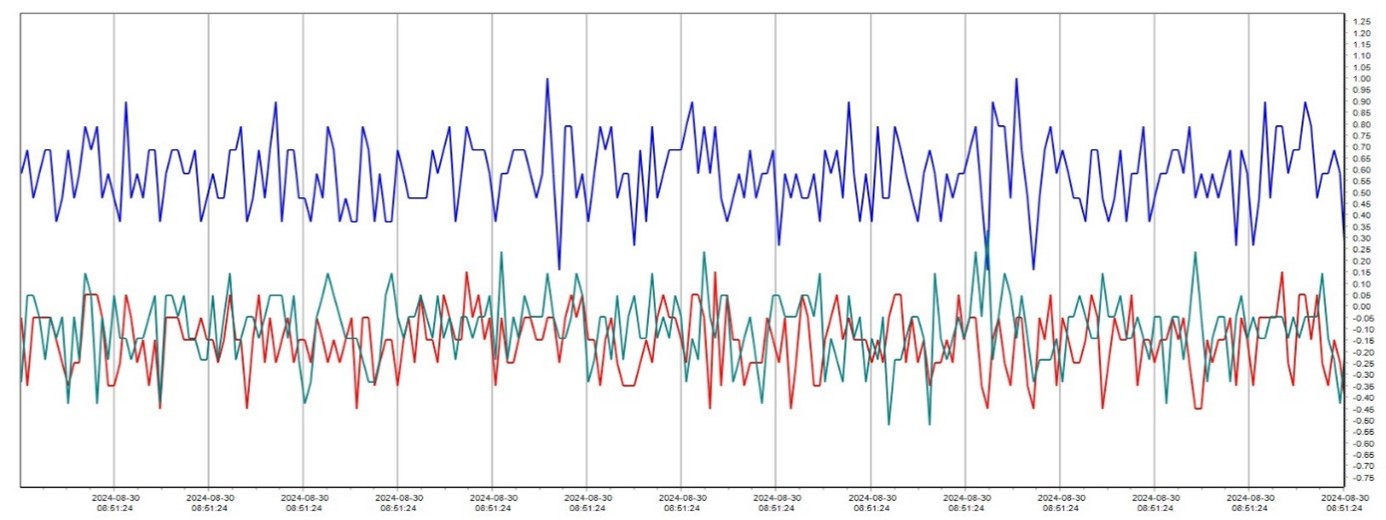
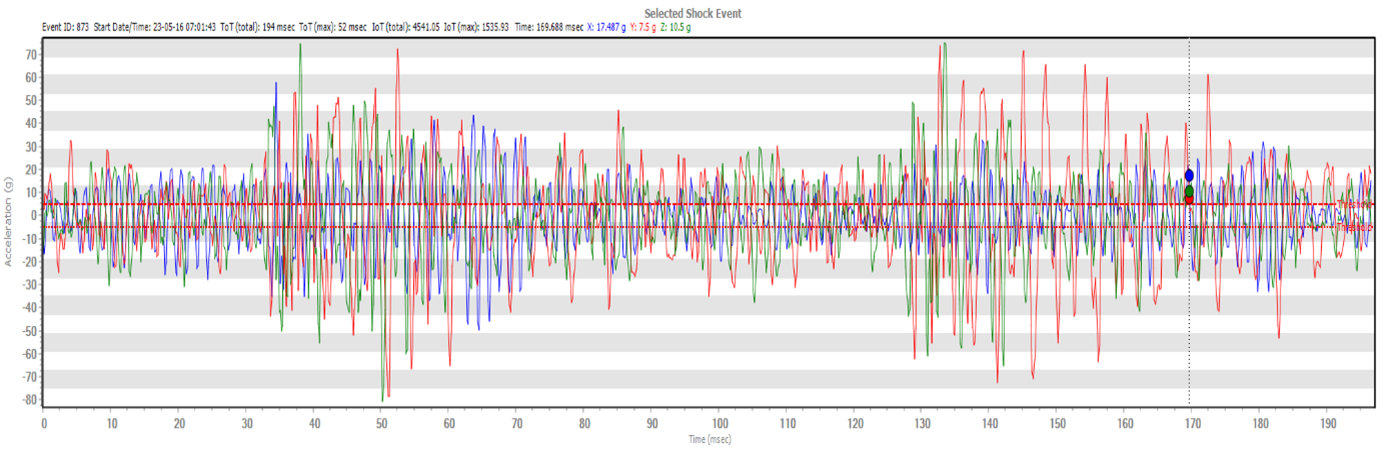
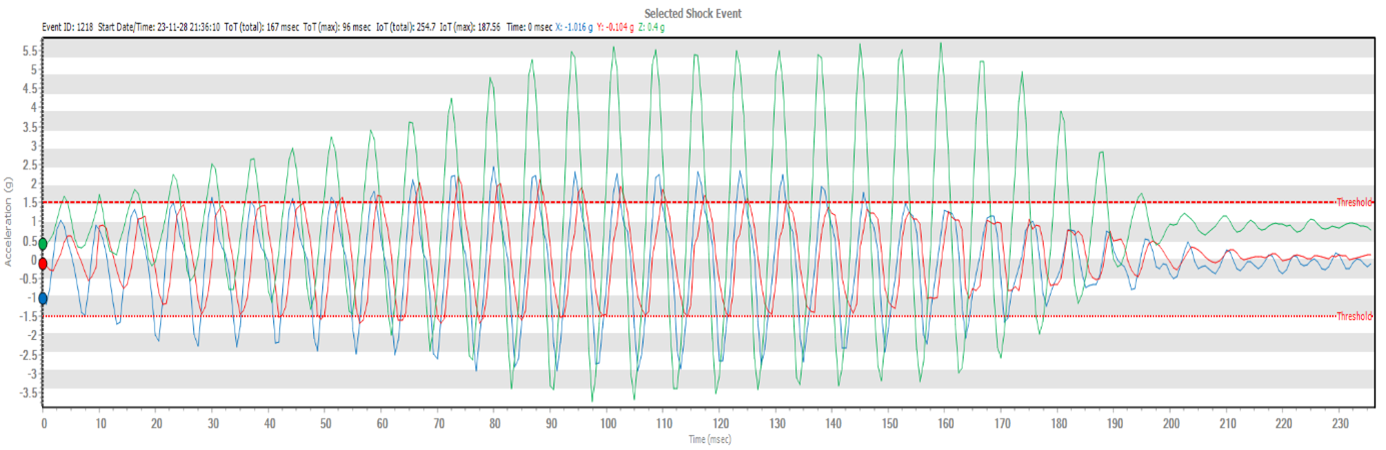
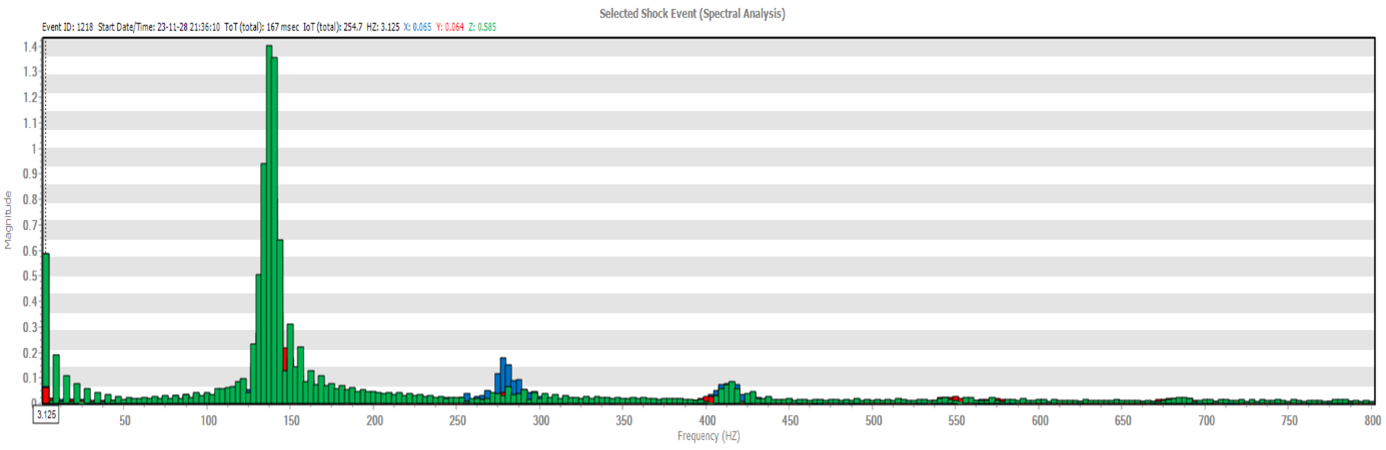
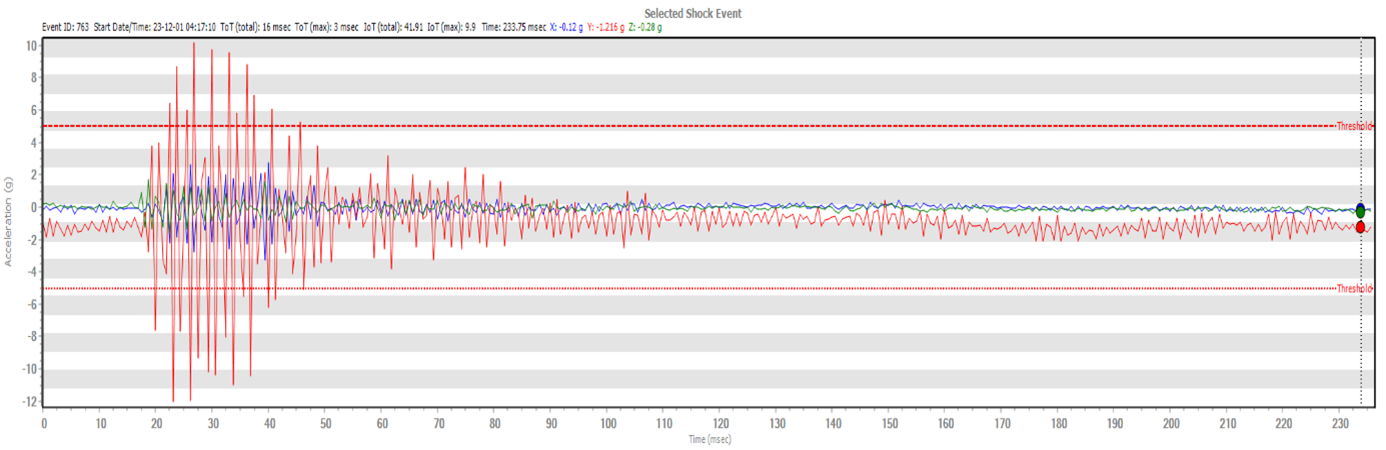
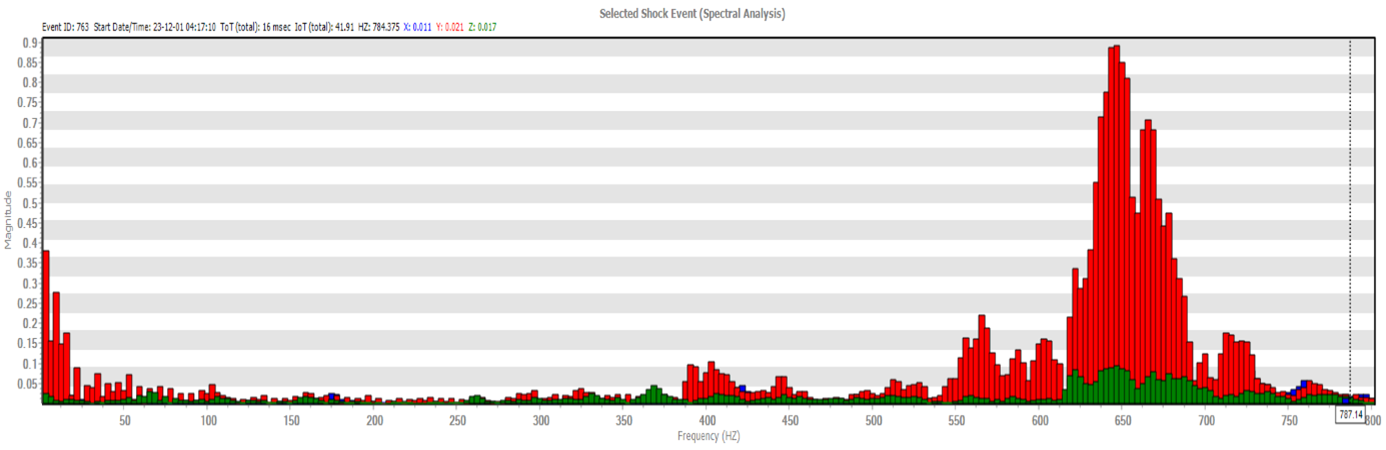
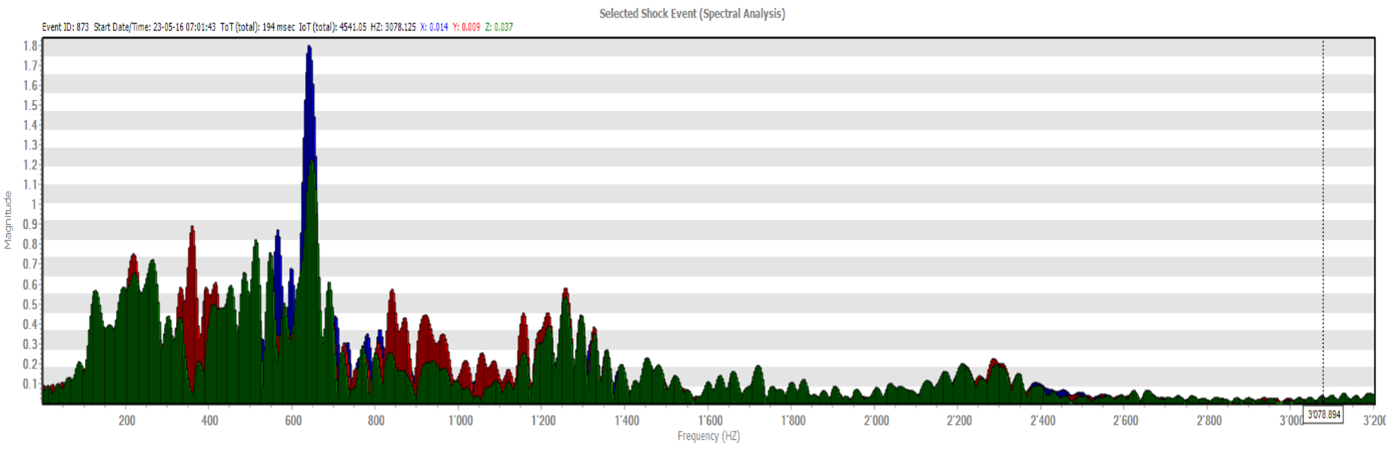
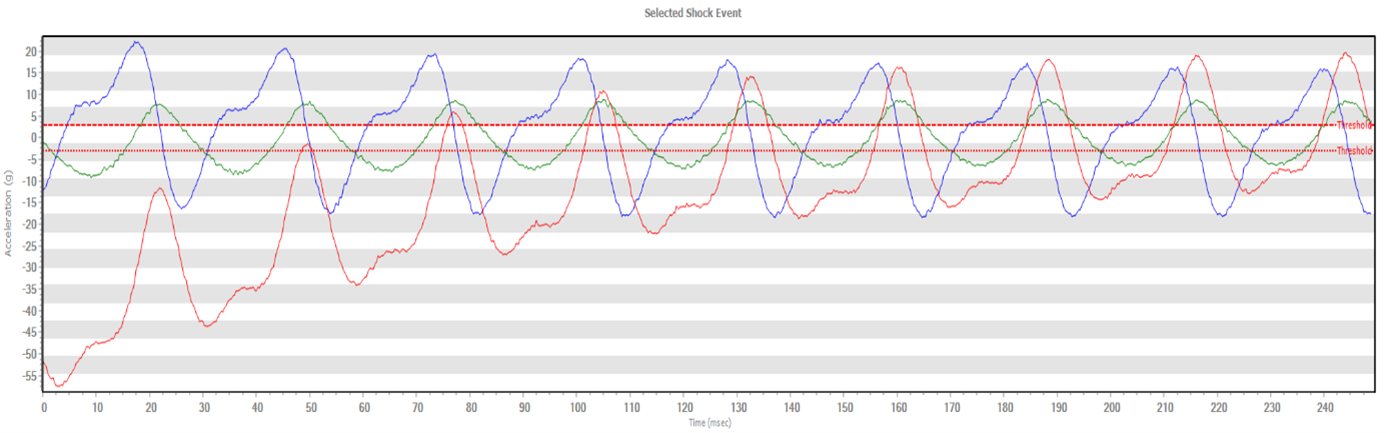
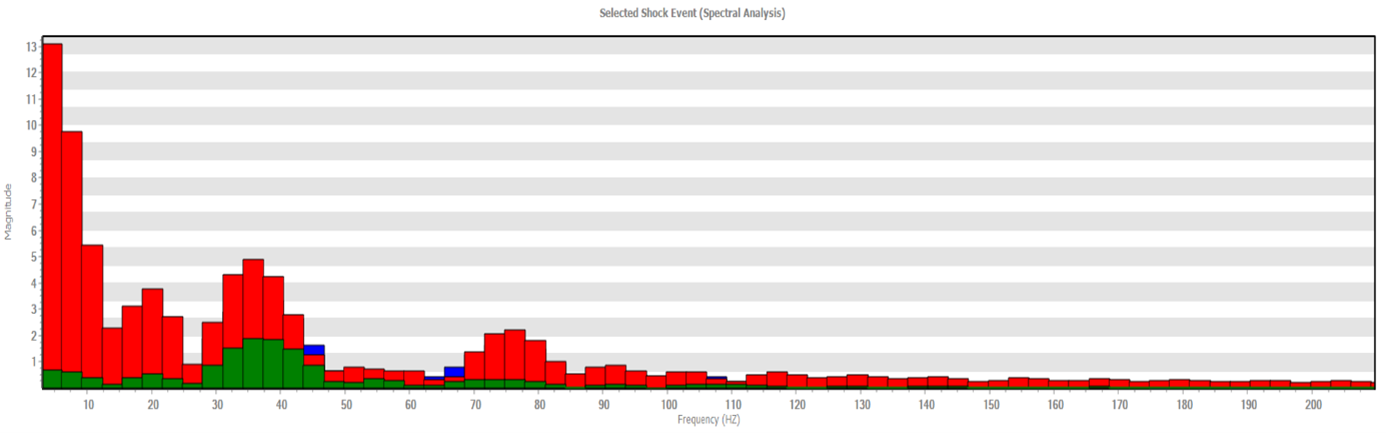
Example of an event during heavy-load transport

Time-dependent measurement data

Spectral analysis (FFT magnitude)

Low-cost data loggers compared to MSR transport data loggers

Criterion Low-cost data logger High-precision MSR data logger
Measurement range ⚠️ ±16 g (fixed) ✔ Up to ±200 g (scalable)
Sampling rate ⚠️ ~1600 Hz (limited detection of short-duration events) ✔ Up to 6400 Hz (ideal for shock analysis)
Signal shape / pulse duration ⚠️ Not accurately resolvable ✔ Precisely measurable (critical for shock characterisation)
Data analysis ⚠️ Basic PDF or Excel reports ✔ Advanced time-series and spectral analysis
Event differentiation ⚠️ Limited (peak values only) ✔ Detailed differentiation (e.g. shock vs. vibration)

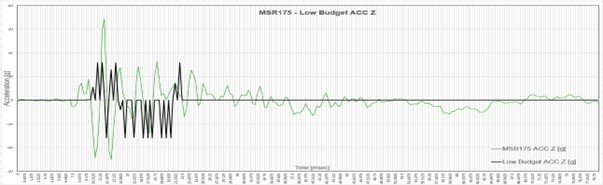
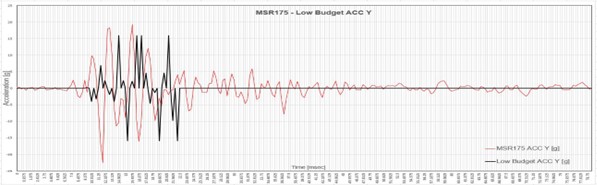
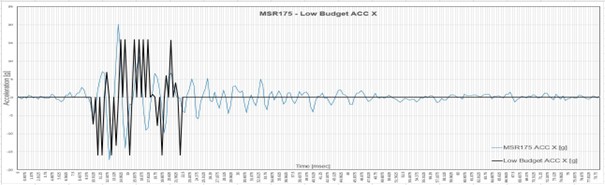
Comparative measurement of a real shock event: MSR175 vs. low-cost data logger

MSR transport data loggers record a shock event over a duration of up to 200 milliseconds. At higher sampling rates (up to 1600 Hz), low-cost data loggers capture only a limited portion of the event.

In addition, the acceleration sensors in low-cost devices show a tendency towards hysteresis and overshoot, which can distort the measured signal.

Shock profile in milliseconds provides valuable insight

When analysing the time-domain data of each shock event, it quickly becomes clear that not only the amplitude and direction changes of acceleration must be considered, but also the temporal profile of the signal.

Elastic shock

In an elastic (or perfectly elastic) shock, two elastic bodies interact or an impulse is transmitted through a system with direct or indirect damping, without any conversion of kinetic energy into internal energy.

No plastic deformation occurs, and no energy is dissipated as heat due to friction.

Formula:

ΣEkin = ΣE′kin

This type of shock is typically of short duration: the duration of acceleration (ToT max.) in all three axes is less than 10 milliseconds.

Examples in transport applications:

  • Crossing a curb, damped by hydropneumatic suspension systems
  • Setting down a load, protected and cushioned by packaging
  • Moderate sea conditions (sea state 4) during maritime transport
  • Standard take-off and landing of cargo aircraft

Time-dependent measurement data

Spectral analysis (FFT magnitude)

Real shock

A real shock is a combination of elastic and inelastic behaviour between two masses or bodies, or may result from the indirect transmission of an impulse. This mixed behaviour is described by the coefficient of restitution (k).

The coefficient of restitution is defined as the ratio of the final to the initial velocity.

Based on (derived from):

v, v′ = a · Δt

Values of the coefficient of restitution (k):

  • k = 0 → perfectly inelastic collision
  • k = 1 → perfectly elastic collision

The real shock is the most commonly observed type of event in practice. Depending on the acceleration level and the shock duration, damage to the object may occur. For shock durations (ToT max) exceeding 60 milliseconds, an inspection is recommended.

Examples in transport applications:

  • Heavy braking with insufficiently secured loads
  • Impact during lifting or hard set-down of a load
  • Coupling operations in shunting with semi-automated systems
  • Rough sea conditions (sea state 5–7) during maritime transport; depending on load positioning, increased rotational motion may occur
  • Severe turbulence during flight

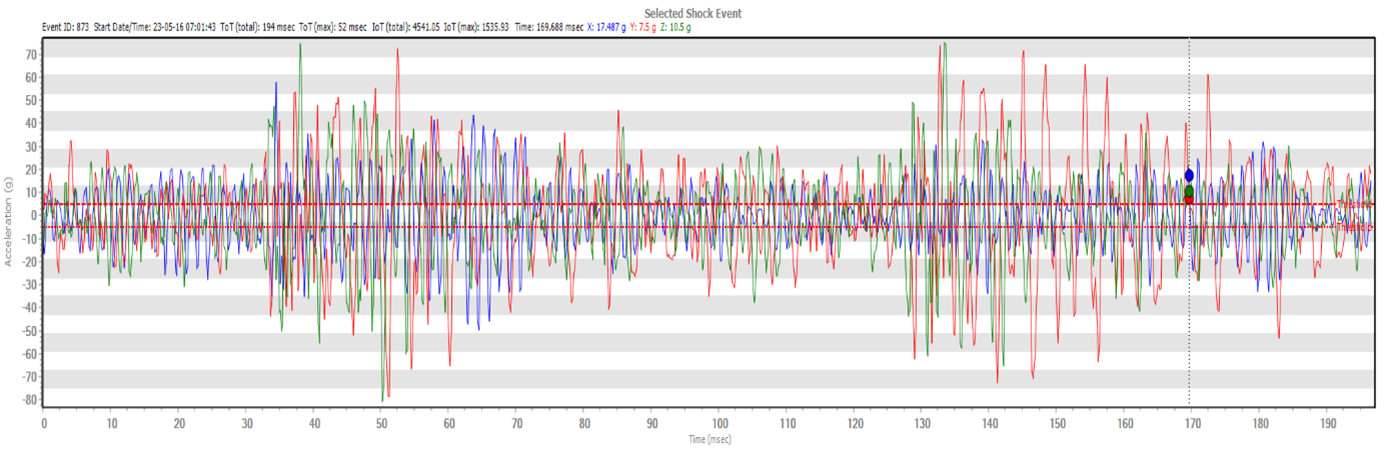
Time-dependent measurement data

Spectral Analysis FFT (Magnitude)

Inelastic shock

In an inelastic (plastic) shock or an undamped impulse (e.g. free fall), part of the kinetic energy is converted into internal energy (ΔU). This occurs through plastic deformation or dissipation as heat due to friction.

ΣEkin = ΣE′kin + ΔU

Inelastic shocks are characterised by high amplitudes and extended shock durations. If no visible damage is detected, a damage inspection is recommended.

Examples in transport applications:

  • Drop from significant height during lifting operations
  • Collision with obstacles during transport using forklifts or wheel loaders
  • Severe coupling impact during shunting operations, derailment of a freight wagon
  • Very rough sea conditions (sea state > 8) during maritime transport, including breaking waves
  • Extreme turbulence during flight, very hard landing

Time-dependent measurement data

Spectral Analysis FFT (Magnitude)

Damage detection

Time-synchronised data recorded with MSR transport data loggers allows events to be clearly identified and assigned to specific phases within the transport process. The temporal correlation of these events also enables conclusions to be drawn about the transport mode involved.

Detailed data logger analysis: detecting vibration and more

Damage is not only caused by shock events or impulse-induced impacts. Sustained vibrations within critical frequency ranges – particularly near the natural frequencies (eigenmodes) of components or joints – can lead to material fatigue, abrasion or loosening of bolted connections.

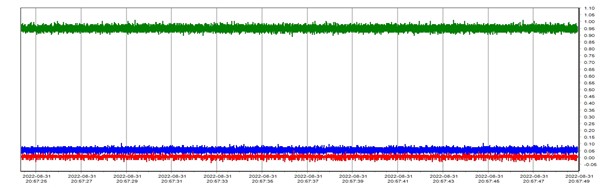
Vibrations are characterised by continuous, periodic and oscillating acceleration, typically with short-duration directional changes.

Continuous vibration monitoring is particularly recommended for the following material types:

  • Orthotropic materials: Mechanical or thermal properties differ along three mutually perpendicular axes. Examples include wood, many crystals, certain sintered materials (e.g. nuclear fuel rods), rolled metal sheets and some fibre-reinforced composites.
  • Transversely isotropic materials: These materials exhibit direction-dependent elastic behaviour. A typical example is unidirectional composite materials.

Examples in transport applications:

  • Road transport: Unpaved roads, poor suspension systems
  • Rail transport: Vibrations from tracks and track beds, insufficiently damped freight wagons
  • Maritime transport: Rough sea conditions with rapid sequences of yawing, pitching and rolling due to lateral winds and/or currents
  • Air transport: Prolonged turbulence with repeated yaw, pitch and roll motions

Time-dependent measurement data. Please note that gravitational acceleration (1 g) acting towards the centre of the Earth is also included in the measurement.

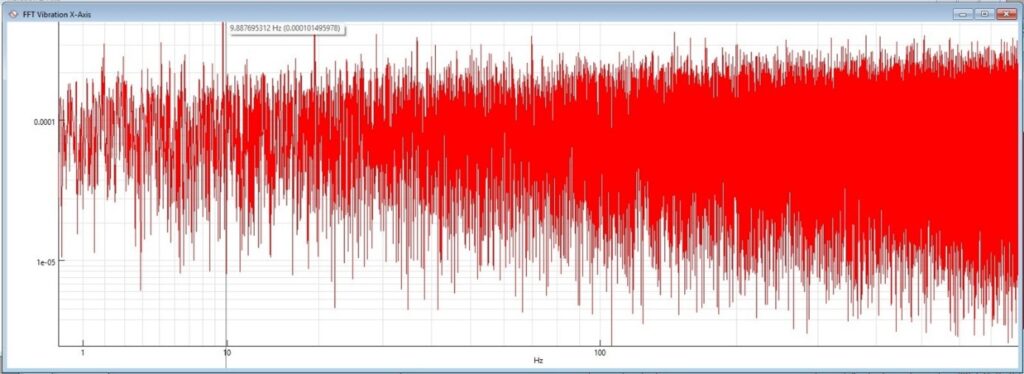
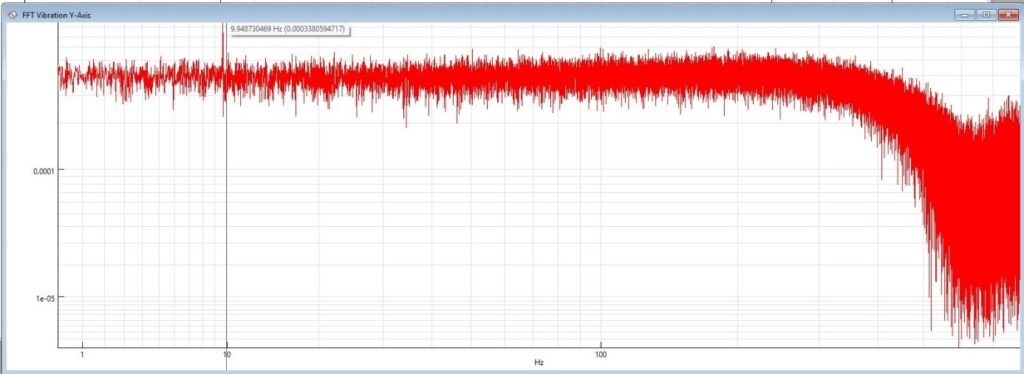
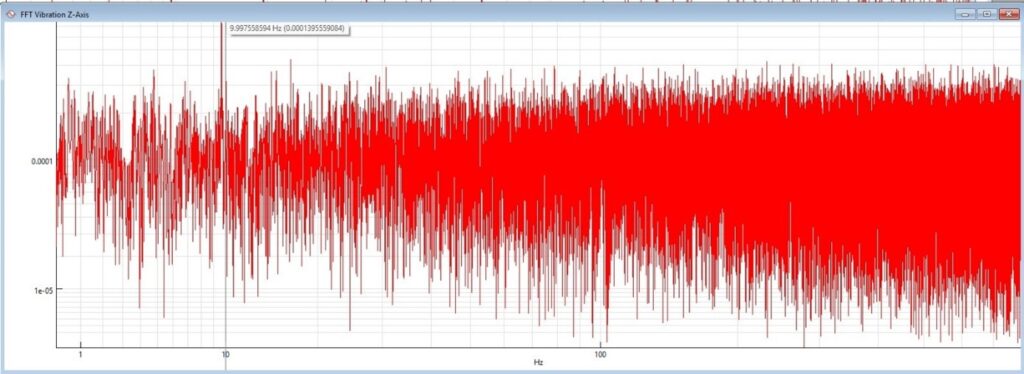
Spectral analysis (FFT magnitude). In this case, the analysis is carried out using SIGVIEW software.

Typical workflow: data logger mounting, deployment, and threshold verification for transformer transport

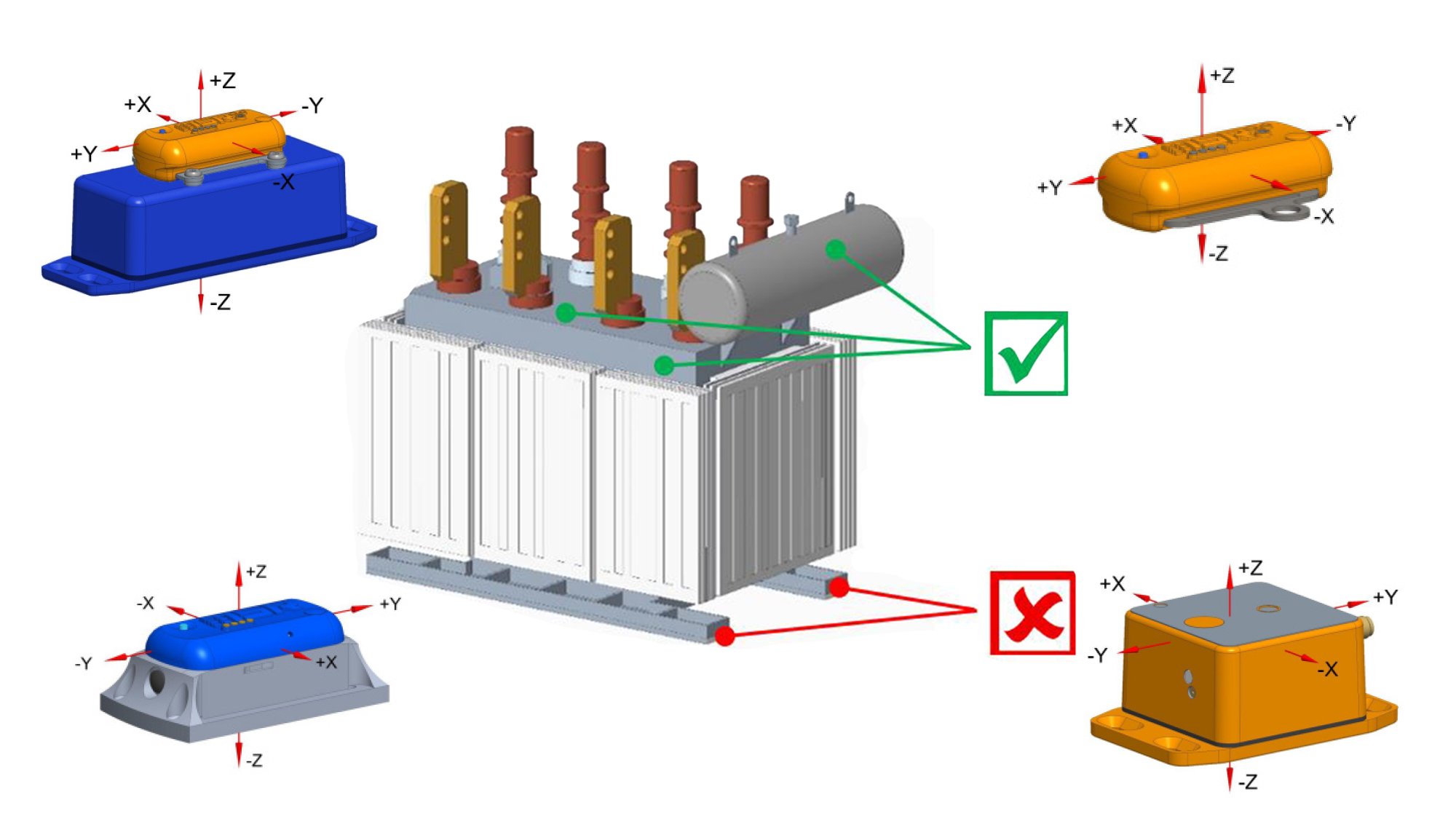
Data loggers are typically mounted directly on the transformer tank or frame to ensure precise data acquisition throughout the entire transport process. After completion of the transport, the recorded data can be retrieved and analysed to verify that the transformer was not exposed to impermissible loads.

►1. Mounting of the data logger directly on the transformer tank or frame
►2. Activation upon departure from the factory
►3. Continuous recording over several days or weeks
►4. Data readout and analysis upon arrival at the destination
►5. Comparison with defined limit values

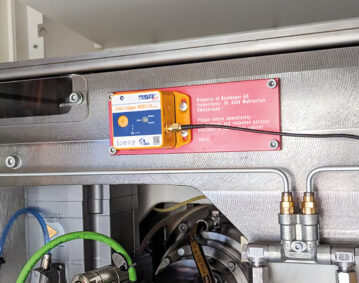
1. Mounting of the data logger directly on the transformer tank or frame (often multiple loggers are used).

Recommendation

We recommend positioning the data loggers at or close to areas with the highest probability of damage occurrence

A form-fit and secure mounting is essential for accurate measurements. Information on proper mounting can be found on the product pages of the respective data logger models or at:  Mounting Instructions Data Loggers

If a rigid screw mounting cannot be implemented, the following points must be considered:

  • Magnetic mounting: The magnetic force must be sufficient to ensure that the data logger remains securely attached to the measurement object even under maximum expected acceleration. Magnets act only in one direction and can only be used on low-alloy steel surfaces.
  • Double-sided industrial adhesive tape: Adhesive bonding retains its strength under alternating loads only for a limited period of time. Shear strength depends on the surface condition and preparation (e.g. cleaning). The manufacturer’s datasheet provides information on shear forces, compatible surface materials and allowable duration of use.

The following formulas are used for the dimensioning of magnetic mounting and industrial adhesive bonding.

Magnets

H = (m · g · γ) / (9.81 m/s2)    [kg]

Magnetic adhesive tape

τ = F/A = (m · g · γ) / A    [N/mm2]

Variables

  • H – Holding force
  • τ – Shear force
  • m – Mass [kg]
  • g – Gravitational acceleration (9.81 m/s2)
  • γ – Maximum expected acceleration
  • A – Adhesive area [mm2]
Data logger Mass [kg] Area [mm²] Surface
MSR165B8… 0.069 1263 Anodised aluminium
MSR175B16… 0.028 721 Polycarbonate
MSR175B54… 0.0186 3777 Painted aluminium
MSR175Plus 0.140 3309 Painted aluminium
MSR175Pro 0.186 3777 Painted aluminium

Important notes:

  • After mounting, record the position of the data logger and the orientation of its axes.
  • Protect data loggers mounted at exposed or peripheral locations.
  • Data loggers mounted using magnets or adhesive tape must be additionally secured. Detached and accelerated data loggers can pose a serious safety risk and may cause injury.

2. Activation at factory dispatch

The following start options are available:

  • Immediate start
  • Start / stop at a defined date and time
  • Start / stop via push button (MSR165 only)
  • Start / stop via control input (MSR165 only, optional)

After a successful start, the blue LED flashes. During recording, the blue LED continues to flash if the status display / LED option is enabled.

3. Recording over several days or weeks

Vibration mode:

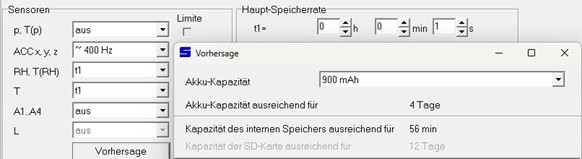
For estimating battery life and memory capacity, a prediction tool is available for the MSR165. After selecting the sampling rates for acceleration and any additional sensors, the tool provides an estimated operating time.

Shock mode:

Operating time in shock mode depends on the number and duration of recorded events, as well as the selected sampling rate. The number of events can be controlled by adjusting the trigger threshold.

For MSR175 and MSR175Plus data loggers, these parameters are defined in the setup.

The MSR165B8… can record up to 10,000 shock events over a period of up to 6 months. With a microSD card, up to 5 million shock events can be recorded.

According to DIN EN 15433-6, the configured acceleration threshold should be set within a range of 10 to 75% of the expected measurement value. Guidance on this is provided in the following table of product sensitivities (excerpt from the UPS packaging guidelines).

Sensitivity level Products G-value
Extremely sensitive Plasma displays, precision measuring instruments with sensitive mechanical components (e.g. gyrocompass) 0 … ±20
Very sensitive LCD TVs, aerospace navigation devices, lamps, optical equipment, laser and sonar systems, transformers ±20 … ±40
Sensitive Computers, IT equipment, electro-mechanical devices, switchgear, refrigeration systems, gas turbines, wind turbines ±40 … ±60
Moderately sensitive Radio and TV equipment, optical devices, eggs (hard-boiled, lateral load), electrical equipment and measuring instruments, household appliances ±60 … ±80
Moderately robust Washing machines, refrigerators, batteries, telephones ±80 … ±110
Robust Gas cylinders, machinery, tools, engines > ±110

4. Data readout and analysis upon arrival at the destination

At the destination, recording is stopped depending on the selected option – either automatically (time-based), via push button or using the software.

The data loggers are read out via the USB interface on a PC or laptop. The software can be downloaded free of charge from our website.

Note on the MSR165 data logger:

If a microSD card is used, it must be removed from the data logger and connected to a PC or laptop using a USB card adapter for data readout.

5. Comparison with permissible limits

The specifications and limit values defined by the manufacturer, shipper or consignee must be taken into account in advance. For the transport of transformers, the standard IEEE C57.93:2007 recommends the following values for discussion with the manufacturer:

Direction Reference value for discussion
Longitudinal 3 g
Vertical 2 g
Lateral 2 g

More detailed information on the loads occurring during transport can be found in the article by Zhengxiang Zhang, “Research of Monitoring Method of Impulse Vibration in Large Transformer Transportation.”

Influencing conditions Causes of damage Frequency [Hz] Acceleration [g]
Loading and unloading Errors in rigging and lifting equipment 2 … 20 2.5 … 10
Heavy-load transport Longitudinal loads during braking; vertical and lateral loads due to poor road conditions 3 … 350 0.5 … 1.0
Maritime transport Rolling, impacts and shifting during rough sea conditions 2 … 30 0.3 … 0.8
Rail transport Longitudinal shocks during track changes; vertical vibration effects at rail joints 2 … 500 0.5 … 4.0

For general cargo, the standard IEC 60721-3-2:2018/COR2:2022 provides relevant guidance.

Environmental parameter Unit Class 2M4 Class 3M5 Class 2M6
Stationary random vibration Spectral acceleration density
(m/s²)²/Hz
10²
1.0
0.5
30
3.0
1
10
5
Frequency range
Hz
2–3
10–20
50–3000
2–3
10–20
50–3000
5–200
500–2000
Transport-related vibration and shock


Shock 11 According to standard graph² (half-sine pulse, 100 m/s² – 11 ms) According to standard graph² (half-sine pulse, 300 m/s² – 11 ms) According to standard graph² (half-sine pulse, 300 m/s² – 11 ms)
Shock 21 According to standard graph² (half-sine pulse, 300 m/s² – 6 ms) According to standard graph² (half-sine pulse, 1000 m/s² – 6 ms)
According to standard graph² (half-sine pulse, 1000 m/s² – 6 ms)

¹ Both shocks are used to capture different aspects of the shock environment.
² Further details and graphs can be found in: IEC 60721-3-2:2018 and IEC 60721-3-2:2018/COR2:2022

Talk to an expert.

For personal advice, our network of over 90 MSR distribution partners is available in more than 50 countries worldwide.

MSR acceleration data logger in use – customer reports

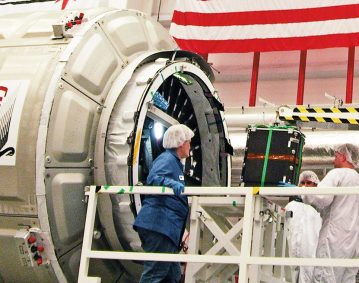
ORBITAL SCI.: MSR165 DATA LOGGERS MONITOR NASA TRANSPORT

Read More

WAFER TRANSPORT MONITORING WITH MSR175PLUS DATA LOGGER

Read More

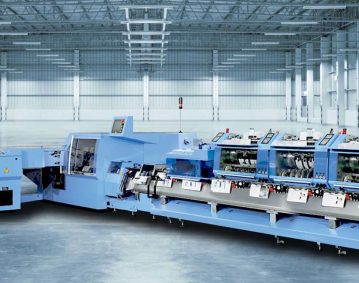
SHOCK DATA LOGGERS MONITOR TRANSPORT OF MACHINES

Read More

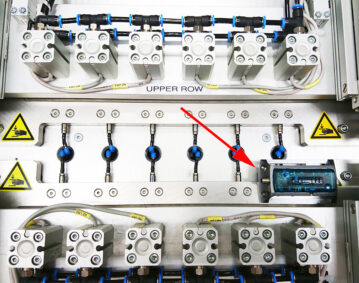
MÜLLER MARTINI: DEFECTIVE SENSORS – FINDING THE CAUSE WITH MSR165

Read More

CALCULATING THE STRESSES ON THE KNEE WHEN SKIING

Read More

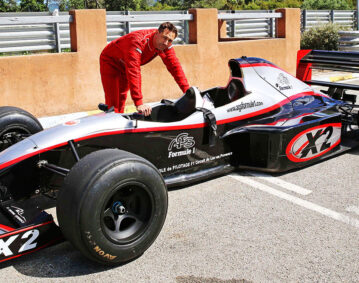
DATA LOGGER MSR165 MEASURES G-FORCE IN FORMULA 1 CARS

Read More

U-BLOX AG: VIBRATIONS WHERE, WHEN, HOW STRONG?

Read More

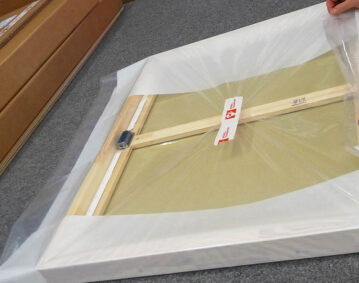
MSR165 SHOCK LOGGER FOR TEST TRANSPORTS OF FRAGILE PAINTINGS

Read More

IGR: DETERMINE LOAD VALUES IN FILLING PLANTS

Read More

AGRICULTURAL SCIENCES, ETH: ACTIVITY MEASUREMENT IN HORSES

Read More

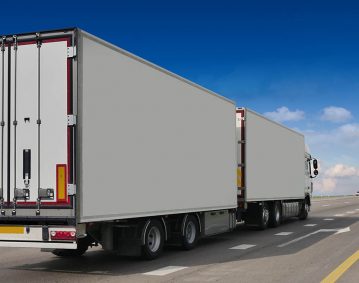
MONITORING TRANSPORT LOADS WITH MSR DATA LOGGERS

Read More

CERN: TRANSPORT MONITORING WITH MSR175PLUS LOGGERS

Read More

Standards for shock and vibration monitoring in transport

Depending on the measurement type (vibration, shock, environmental influences) and the geographical region, the following standards are relevant for data loggers:

Note: The listed standards are subject to copyright and are provided for guidance only. For legally binding application, please refer to the original documents available for purchase from the respective organisations.

MSR Electronics GmbH assumes no liability for the completeness, accuracy or currency of this list.

Standard/Norm Description/Beschreibung EN/DE
Terms/Begriffe ISO 2041:2018 Mechanical vibration, shock, and condition monitoring – Vocabulary EN
ISO 2041:2018-10 Mechanische Schwingungen und Stöße sowie Zustandüberwachung – Begriffe; Deutsche Fassung von ISO 2041:2018 DE
ASTM ASTM D3332-99 (2023) Standard Test Methods for Mechanical-Shock Fragility of Products, Using Shock Machines EN
ASTM D4169-22 (2023) Standard Practice for Performance Testing of Shipping Containers and Systems EN
ASTM D4728-17 (2022) Standard Test Method for Random Vibration Testing of Shipping Containers EN
ASTM D5276-19 (2021) Standard Test Method for Drop Test of Loaded Containers by Free Fall EN
DIN EN
DIN EN ISO
DIN EN ISO 8318:2002-12 Verpackung – Versandfertige Packstücke und Ladeeinheiten – Schwingprüfung mit variabler sinusförmiger Frequenz DE
ISO 8318:2000 Packaging – Complete, filled transport packages and unit loads – Sinusoidal vibration tests using a variable frequency; English version of DIN EN ISO 8318:2002-12 EN
DIN EN 13011:2001-01 Dienstleistungen im Transportwesen – Gütertransportketten – System zur Vereinbarung von Leistungsmerkmalen DE
DIN EN 13011:2001 Transportation Services – Goods transport chains – System for declaration of performance conditions; English version of DIN EN 13011 EN
DIN EN 15433-1:2008-02 Transportbelastungen – Messen und Auswerten von mechanisch-dynamischen Belastungen – Teil 1: Allgemeine Anforderungen DE
BS EN 15433-1:2007 Transportation loads – Measurement and evaluation of dynamic mechanical loads – Part 1: General requirements; British standard version of DIN EN 15433-1:2008-02 EN
DIN EN 15433-2:2008-02 Transportbelastungen – Messen und Auswerten von mechanisch-dynamischen Belastungen – Teil 2: Datenerfassung und allgemeine Anforderungen an Messeinrichtungen DE
BS EN 15433-2:2007 Transportation loads. Measurement and evaluation of dynamic mechanical loads. Data acquisition and general requirements for measuring equipment; British standard version of DIN EN 15433-2:2008-02 EN
DIN EN 15433-3:2008-02 Transportbelastungen – Messen und Auswerten von mechanisch-dynamischen Belastungen – Teil 3: Datengültigkeitsüberprüfung und Datenaufbereitung für die Auswertung DE
BS EN 15433-3:2007 Transportation loads. Measurement and evaluation of dynamic mechanical loads. Data validity check and data editing for evaluation; British standard version of DIN EN 15433-3:2008-02 EN
DIN EN 15433-4:2008-02 Transportbelastungen – Messen und Auswerten von mechanisch-dynamischen Belastungen – Teil 4: Datenauswertung DE
BS EN 15433-4:2007 Transportation loads. Measurement and evaluation of dynamic mechanical loads. Data; British standard version of DIN EN 15433-4:2008-02 EN
DIN EN 15433-5:2008-02 Transportbelastungen – Messen und Auswerten von mechanisch-dynamischen Belastungen – Teil 5: Ableitung von Prüfvorschriften DE
BS EN 15433-5:2007 Transportation loads. Measurement and evaluation of dynamic mechanical loads. Derivation of test specifications; British standard version of DIN EN 15433-5:2008-02 EN
DIN EN 15433-6:2016-11 Transportbelastungen – Messen und Auswerten von mechanisch-dynamischen Belastungen – Teil 6: Transportüberwachung mit automatischen Aufzeichnungsgeräten zur Messung stochastisch auftretender Stöße DE
DIN EN 15433-6:2016 Transportation loads – Measurement and evaluation of dynamic mechanical loads – Part 6: Automatic recording systems for measuring randomly occurring shock during monitoring of transports; English version of DIN EN 15433-6:2016-11 EN
DIN EN 22248:1993-02 Verpackung; Versandfertige Packstücke; Vertikale Stoßprüfung (freier Fall) (ersetzt ISO 2248:1985) DE
EN 22248:1992 Packaging; complete, filled transport packages; vertical impact test by dropping (replace ISO 2248:1985); English version of DIN EN 22248:1993-02 EN
DIN EN 28768:1993-02 Verpackung; Versandfertige Packstücke; Umsturzprüfung (ISO 8768:1986); Deutsche Fassung EN 28768:1992 DE
EN 28768:1993


Packaging; complete, filled transport packages; toppling test (ISO 8768:1986); English version of DIN EN 28768:1993-02 EN
IEC IEC 60068-2-27:2008 Environmental testing – Part 2-27: Tests – Test Ea and guidance: Shock EN
DIN EN 60068-2-27:2010-02 Umgebungseinflüsse – Teil 2-27: Prüfverfahren – Prüfung Ea und Leitfaden: Schocken; Deutsche Fassung von IEC 60068-2-27:2008 DE
IEC 60068-2-64:2008 Environmental testing – Part 2-81: Tests – Test Ei: Shock – Shock response spectrum synthesis EN
DIN EN 60068-2-81:2004-07 Umgebungseinflüsse – Teil 2-64: Prüfverfahren – Prüfung Fh: Schwingen, Breitbandrauschen (digital geregelt) und Leitfaden; Deutsche Fassung von IEC 60068-2-64:2008 + A1:2019 DE
IEC 60068-2-81:2003 Environmental testing – Part 2-81: Tests – Test Ei: Shock – Shock response spectrum synthesis EN
DIN EN 60068-2-81:2004-07 Umweltprüfungen – Teil 2-81: Prüfungen – Prüfung Ei: Schocken – Synthese des Schockantwortspektrums; Deutsche Fassung von IEC 60068-2-81:2003 DE
IEC 60721-3-1:2018 Classification of environmental conditions – Part 3-1: Classification of groups of environmental parameters and their severities – Storage EN
DIN EN IEC 60721-3-1:2018-12 Klassifizierung von Umgebungsbedingungen – Teil 3-1: Klassen von Einflussgrößen und deren Grenzwerte – Lagerung; Deutsche Fassung von IEC 60721-3-1:2018 DE
IEC 60721-3-2:2018 Classification of environmental conditions – Part 3-2: Classification of groups of environmental parameters and their severities – Transportation and handling EN
DIN EN IEC 60721-3-2:2018-12 Klassifizierung von Umgebungsbedingungen – Teil 3-1: Klassen von Einflussgrößen und deren Grenzwerte – Lagerung; Deutsche Fassung von IEC 60721-3-2:2018-12 DE
ISO ISO 13355:2016 Packaging – Complete, filled transport packages and unit loads – Vertical random vibration test EN
DIN EN ISO 13355:2017-03 Verpackung – Versandfertige Packstücke und Ladeeinheiten – Schwingprüfung mit vertikaler rauschförmiger Anregung; Deutsche Fassung von ISO 13355:2016 DE
MIL-STD MIL-STD-810H Method 514.6 Method 514.6: Vibration EN
MIL-STD-810H Method 516.8 Method 516.8: Shock EN

References »